September is National Suicide Prevention Month

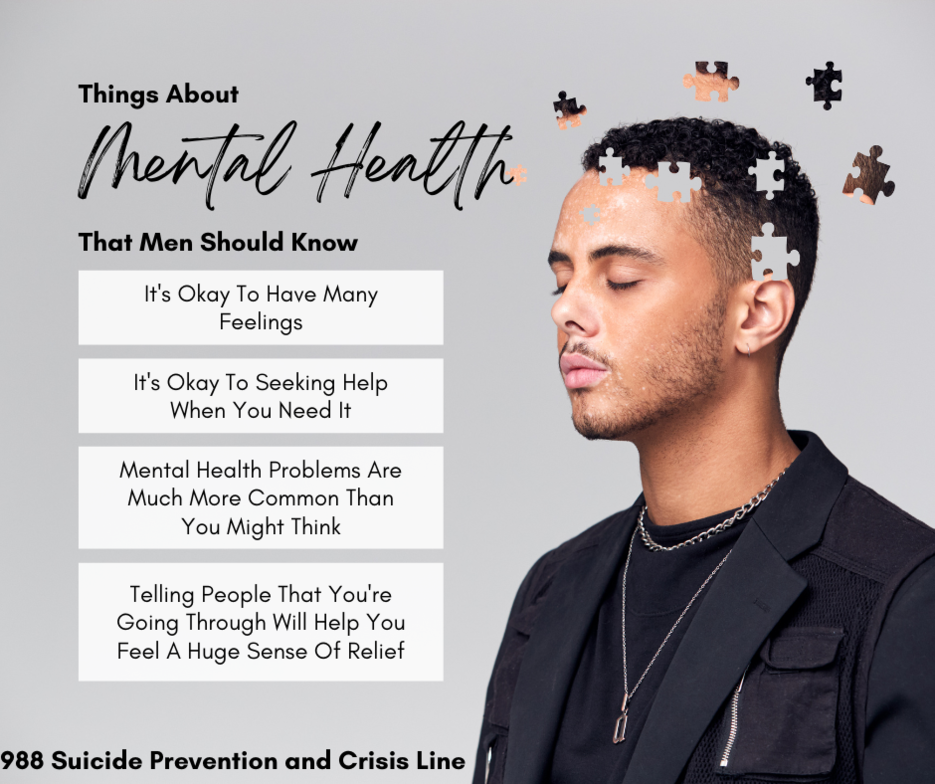
What is suicide?
Suicide occurs when a person intentionally causes their own death. When someone takes action to end their life but doesn’t die, it’s known as a suicide attempt. Thinking about or planning suicide, without taking action, is called “suicidal ideation.”
According to the Centers for Disease Control and Prevention (CDC), suicide is a leading cause of death in the United States, particularly among people ages 10 to 34. More than 48,000 people died by suicide in the US in 2021.1
Who’s at risk for suicide?
People from all walks of life die from suicide. Rich or poor, privileged or marginalized—suicide is a tragedy that can happen to anyone. Not everyone has the same risk for suicide, though. Certain factors can increase it:
- Mental illness: Depression, anxiety, addiction, and certain personality or mood disorders can increase your risk, particularly if your mental illness hasn’t been diagnosed.
- Chronic pain: Ongoing physical, mental, or emotional pain is a risk factor.
- Trauma: Trauma can increase your risk for mental illness or worsen an existing condition.
- Abuse: Physical, sexual, emotional, and verbal abuse are traumatic. Abuse or bullying may lead to increased suicide risk.
- Social isolation: Loneliness and disconnection can increase your risk.
- Family history: If a family member has struggled with mental illness, attempted suicide, or died from suicide, you may have a greater risk.
- Suicide contagion: When you’re exposed to suicide through family, peers, or the media, it can increase your risk.2
- Discrimination and oppression: Being discriminated against, marginalized, or oppressed because of your race, gender, sexuality, class, age, religion, ability, or identity can increase your risk for suicide.
- Access to guns: According to Harvard University, “Every study that has examined the issue to date has found that within the US, access to firearms is associated with increased suicide risk.”3
- Previous self-harm/suicide attempts: If you’ve intentionally hurt yourself or tried to end your life before, you’re at increased risk for suicide.
Suicide warning signs
Because suicide can happen to anyone, it’s important to know the warning signs so you can get help for yourself or encourage someone else to find help. Common warning signs include:
- Talking about death or about ending your life
- Feeling hopeless or desperate
- Withdrawing from friends and family
- Thinking about suicide or making a plan (suicidal ideation)
- Behaving impulsively or recklessly
- Abusing alcohol or drugs
- Feeling like a burden
- Feeling increased guilt or shame
- Having extreme mood swings
- Buying lethal items like guns, other weapons, or pills
- Giving away possessions
- Tying up loose ends—for instance, paying off debt or making a will
- Saying goodbye
Suicide prevention
If a friend, family member, or loved one exhibits some or most of the warning signs listed above, you can take steps to help them stay safe.
Ask them directly
Asking someone if they’re thinking about suicide doesn’t encourage suicide. It also doesn’t give the idea of suicide to someone who wasn’t contemplating it in the first place. Asking a person directly if they’re thinking about hurting themselves is often the best way to invite an honest answer.
Listen
If someone tells you they’re suicidal, it’s important to listen nonjudgmentally. Let them share the emotions they’re struggling with and the problems they’re facing.
It can be frightening when a loved one shares that they’re thinking about suicide. You may be tempted to downplay their problems, or to guilt or shame them into seeking help. But fear, guilt, shame, and gaslighting aren’t effective suicide prevention tools. Love, support, and encouragement are.
Encourage them to get help
As part of your loving, supportive response, encourage your friend to get professional help—for their sake as well as yours. You can’t “convince” your friend not to commit suicide or “cure” them of suicidal ideation on your own.
Depending on the severity and urgency of your friend’s case, there are many options for professional help:
- Professional therapy: If your friend isn’t in immediate crisis, you may want to encourage them to seek professional help through therapy. Cognitive behavioral therapy (CBT) and dialectical behavioral therapy (DBT) can help people who are contemplating suicide.
- Medication: Make sure your friend is taking any and all medications that have been prescribed to them. A psychiatrist may be able to prescribe additional medication to address depression symptoms.
- Hotlines: Crisis hotlines are helpful for situations that are happening right now. If your friend is overwhelmed or in crisis, encourage them to call or text 988 to connect with a counselor.
- Hospitalization: If your friend is actively contemplating or taking steps to harm their body, endanger their life, or endanger others’ lives, call 911 and get help now. Hospitalization may be necessary.
Get help if they’re in immediate danger
If your friend is in immediate danger, you can and should get help on their behalf. Don’t promise to keep your friend’s plans for suicide a secret. Call 911 immediately so they can get the help they need.
What to do if you’re thinking about suicide
It’s okay to admit you’re thinking about suicide. Many scary, overwhelming feelings and circumstances can bring people to a place where they consider ending their own life. You’re not “going crazy” or “broken beyond repair.” You just may believe this is the only way to feel better.
The truth is that you can feel better without ending your life. You are not alone. Help is available now. Hope is real, and healing is possible.
Tell someone
One of the easiest steps you can take is to tell a trusted friend or family member what you’re feeling and thinking. Share your story. Sometimes it’s easier to find and accept help if it’s coming from someone else, especially someone you love and trust.
Seek professional help
Professional help is often necessary for people who may be contemplating suicide.
Get support now
Remember: Call 988 anytime, 24/7.